

Note to the Reader
When unconditional love becomes self betrayal, it doesn’t always feel like a dramatic breaking point. Sometimes it begins as quietly as a good intention. I didn’t see it at first, but looking back, I can tell that is exactly what was happening.
I did not grow into this lesson. I survived it. And like most things that crack open the truth inside you, it did not arrive gently or poetically or with any of the grace I pretend I practice on my better days. It came wearing a human name: Misery.
That is not her real name, but it is the truest one I can offer. Some people carry heartbreak the way others carry oxygen. For Misery, sorrow was not something she felt now and then. It was the place she lived, the air she breathed.
And for reasons I still do not fully understand, I opened my door to her. Not out of obligation, but out of the quiet belief that maybe I was finally ready to practice unconditional love. Ready to sit with someone’s pain without flinching. Ready to live the questions I had underlined in The Invitation by Oriah Mountain Dreamer.
But survival is a better teacher than idealism, and the moment Misery crossed my threshold, the lesson began.
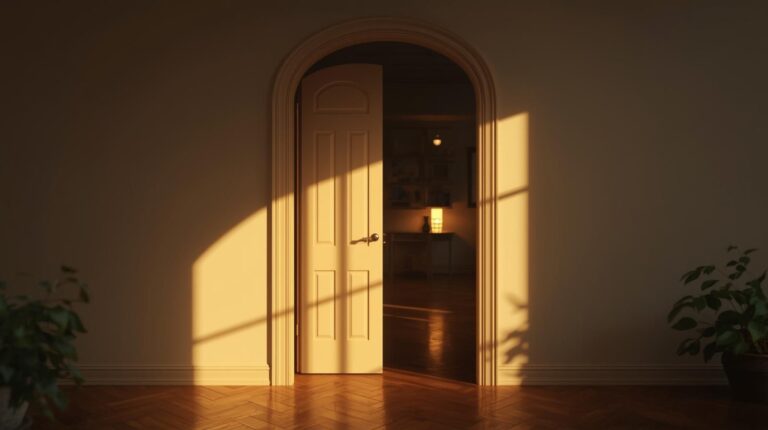
The Invitation
When Misery needed a place to stay, I convinced myself I was stepping into a noble spiritual test. The kind of love that does not judge, does not try to change, does not place conditions on someone’s worth. I told myself I was ready for that. I wanted to be that kind of person.
But instead of offering love, what I offered was access. Access to my calm. My stability. My home. My emotional oxygen. I did not notice I was already giving too much because I believed I was doing something meaningful.
There is a thin line between compassion and self abandonment, and I crossed it the day she moved in.
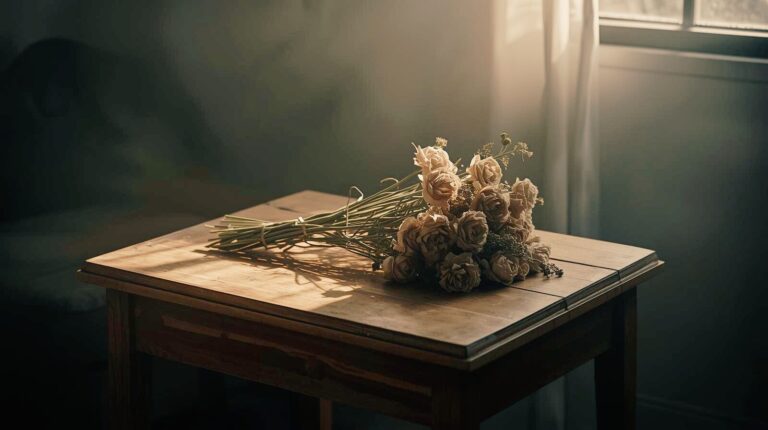
The Descent
Misery did not enter my home softly. She entered like a storm that felt familiar in a way I could not explain. At first, I tried to meet her where she was. I tried patience. I tried understanding. I tried to see her pain as something sacred.
But Misery did not want healing. She wanted control.
If I expressed gratitude, she met it with bitterness. If I shared something hopeful, she answered with something dark. My joy bothered her. My optimism irritated her. My belief in possibility angered her.
“You always get everything you want,” she said once, as if my ability to dream was a weapon. As if hope itself was a personal offense.
The house grew heavier. The rooms felt smaller. I found myself shrinking inside myself, careful with my words, cautious with my breath, managing her moods like they were storms I was responsible for predicting.
Deep down I knew I was not practicing unconditional love. I was slowly erasing myself.
But I stayed, because I thought that was what love required.
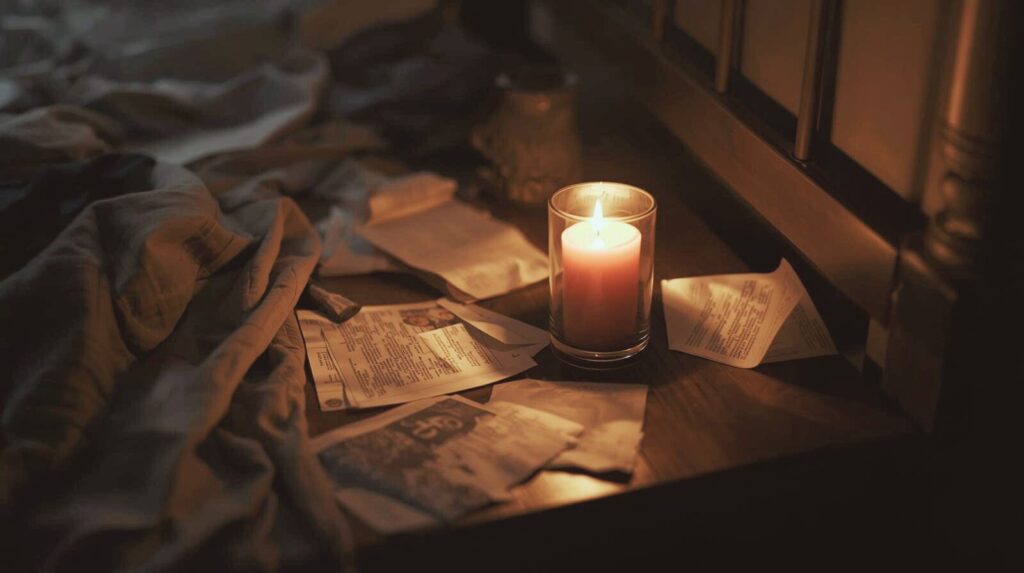
The Breaking Point
Everything shifted the night I found the candle. Misery was asleep, and a candle burned on her table. I blew it out instinctively, and she woke instantly, furious.
“That was my spell candle,” she yelled. “It had to burn all the way down.”
A spell. To bind me back to her. That was the moment something inside me cracked. Not out of fear but from clarity. This was not devotion. This was possession.
Her behavior escalated quickly. She began speaking calmly and casually about suicide. The day she had chosen. The funeral she had supposedly prepaid. The way she planned to be gone by Saturday, a day I would be out of town.
It was not the first time I had lived this cycle with her. She knew exactly how to create panic and who to pull into the performance. Friends called me crying, terrified. People demanded I save her.
Not one person asked if I was already drowning.
She had created the storm, but I was expected to rescue her.

The Choice
When she calmly announced her chosen day, something snapped. A line inside me I had ignored for far too long. Suddenly the truth was simple: I could care deeply and still walk away.
I packed a bag. Took my dog. Drove to Darby’s house.
That night, my mind tortured me with every possible scenario: the basement, the candles, a gun, her dog, the silence. Fear whispered that I had made a terrible choice.
But clarity breathed louder.
At seven in the morning, my phone rang.
“I did not do it,” she said. “You can come home now.”
She sounded relieved, almost bored.
Relief washed over me, but it was not soft. It was sharp and clean.
I realized I had been done for a long time.
A week later, she moved out. But not without one last chaotic event. Both dogs got into a bottle of pills she had left open. I saved her dog’s life, because that is who I was then. The person who cleans up after storms.

The Turning
for the first time in a long time. Peace returned like a forgotten memory.
And in that quiet moment, I understood the actual lesson.
Unconditional love does not mean unconditional access. It does not require me to sacrifice myself. It does not demand I stay in spaces that break my spirit.
Misery did not teach me how to love her.
She taught me how to love myself.
She taught me that compassion without boundaries becomes captivity.
That empathy without discernment becomes self betrayal.
That staying with someone who drains your life is not love. It is surrendering who you are.
I thought I was learning how to love unconditionally.
What I really learned was that I could love someone and still choose myself.
Closing Reflection for You
Now when I revisit The Invitation by Oriah Mountain Dreamer, one line rises up differently than before:
“I want to know if you can disappoint another to be true to yourself.”
Back then, the answer was no.
Now it is yes. A steady, genuine yes.
Unconditional love did not grow in me because I held on.
It grew because I finally let go.
Walking away was not rejection. It was truth.
It was survival.
It was the moment I stepped back into my own life.
And that, finally, is unconditional love.
Reflection Questions for you.
- Where in your life have you confused compassion with self sacrifice?
- Have you ever stayed in someone’s darkness longer than your soul could handle? Why?
- What would choosing yourself, truly choosing yourself, look like right now?
If this reflection resonates, I invite you to share a piece of your own story. We heal through connection, and your experience may be the reminder someone else needs to feel less alone.
If you’d like more letters, reflections, and insights, you’re welcome to join my newsletter.